
Southend 1920
Sutcliffe's day

On August 18, 1920, the front pages were a-quiver with dispatches from the Russo-Polish war. But there was happier news at the back: Yorkshire, for the first time, was playing at Southend. The sea air was brisk, the crowd numbered over five thousand, and the Essex officials were quietly jubilant. Serious cricket had come to town.
The feature of the day’s play was an innings of such rare and sustained grace as to lift the match from the realm of sport into that of art. Herbert Sutcliffe, the newly-capped genius from Pudsey, batted all through the Yorkshire innings, a feat almost unique in our annals. Holmes had achieved something similar at Northampton in July; before him, only Wilfred Rhodes and Louis Hall had managed it.
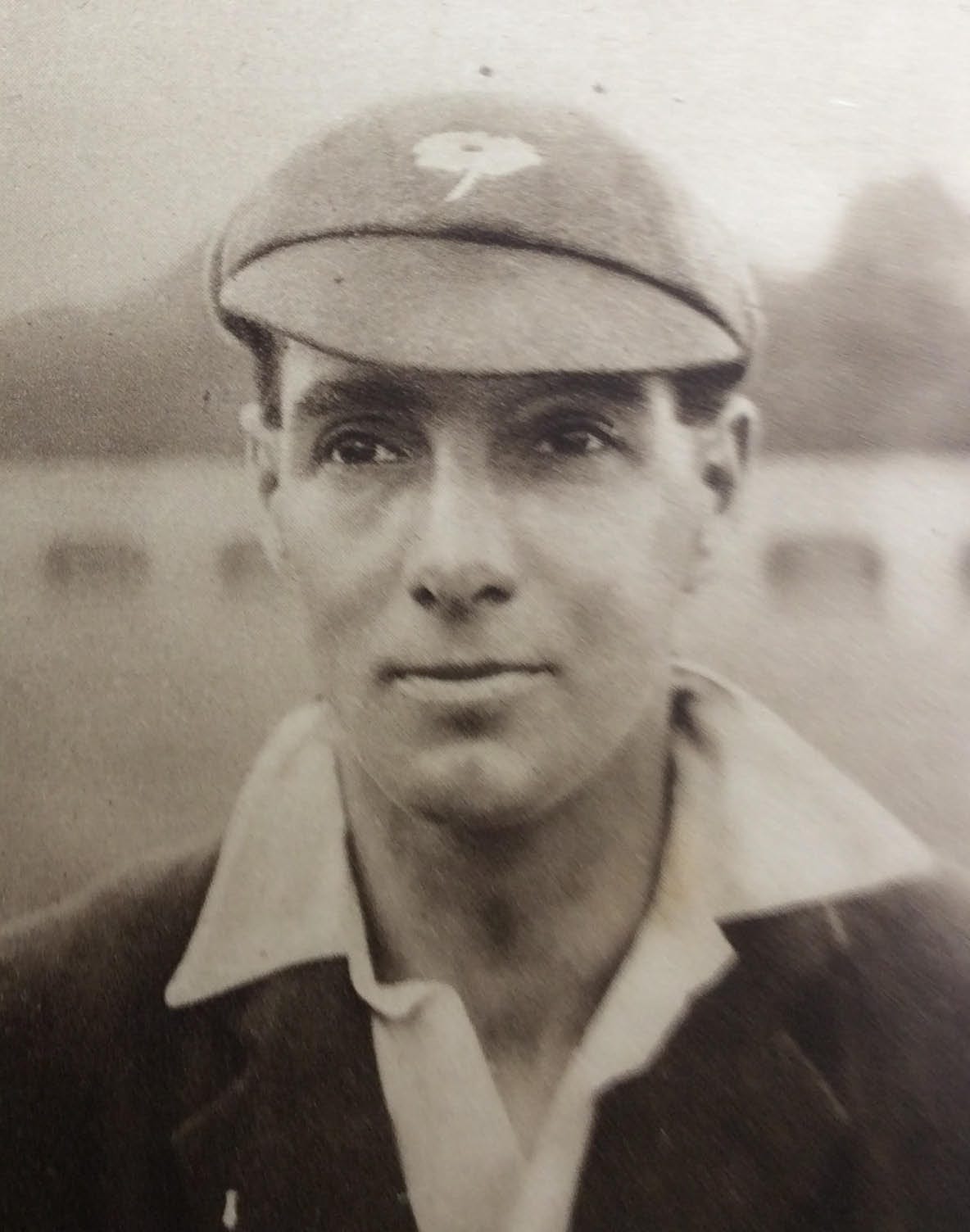
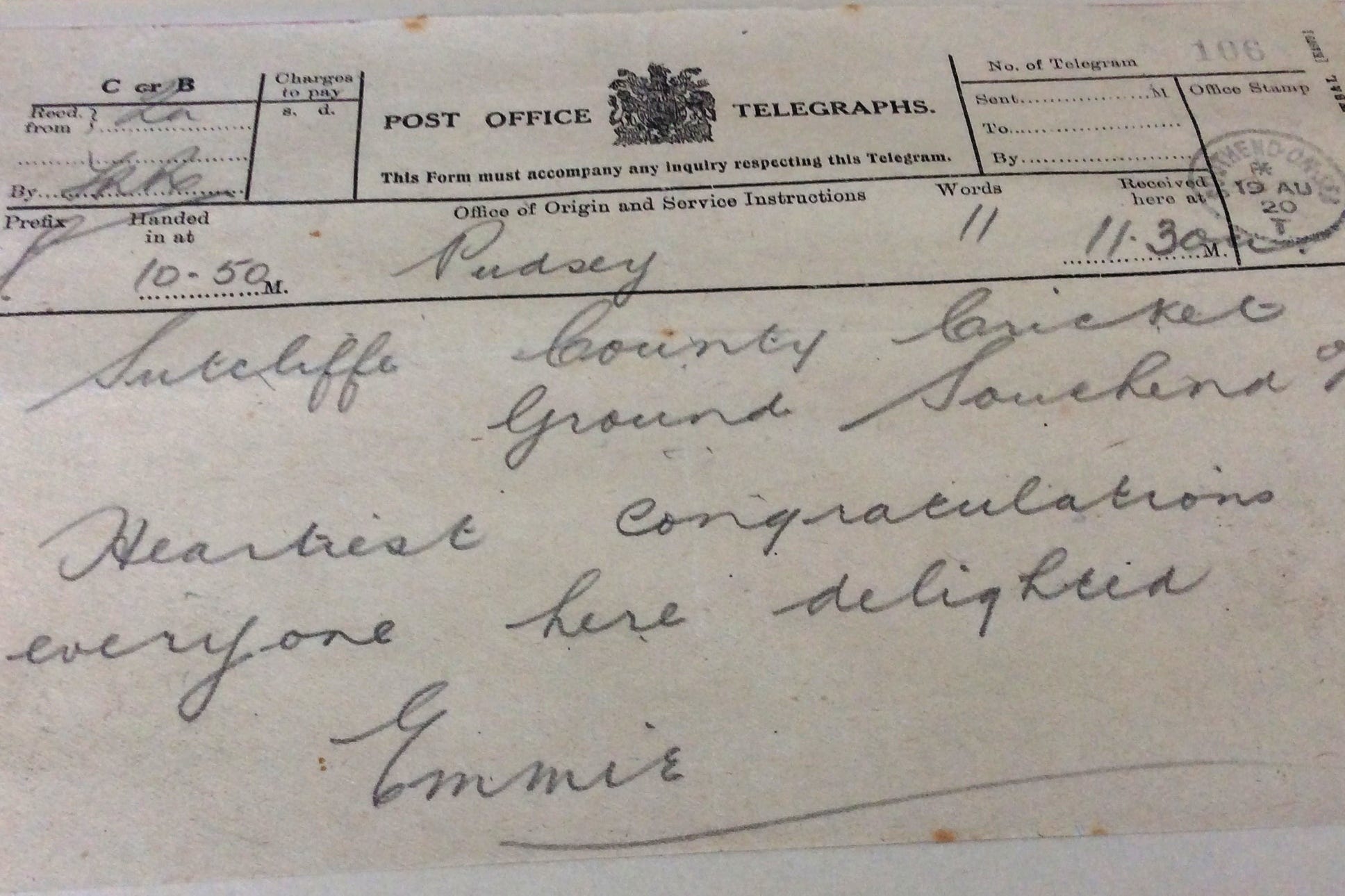
But Sutcliffe’s was not merely a statistical triumph; it was riven through with drama. First Dalton, Rhodes and Hirst fell on the cheap to Louden, an amateur bowler of deceptive guile, who in his first over inflicted on Sutcliffe a blow that might have felled a lesser man. It was the sort of moment that hushes a crowd. Yet Sutcliffe, with the composure of a man who has dined in adversity before, quickly resumed his stance, and maintained it for three hours and forty minutes—untroubled, unflinching, unerring. He finished unbeaten on 125. Yorkshire’s margin of victory would be three runs fewer. I have in my collection a few of the congratulatory telegrams he received:
By season’s end the White Rose was fourth in the Championship, Middlesex claiming the laurels with a winning percentage of 77. Matches had reverted to three days; the points system—two for a first innings lead, none for the vanquished—lent a certain strategic tension to proceedings.
But on that August day in Southend, amidst the salt breeze, cricket reminded us of its eternal truths: that courage may be quiet, that artistry may wear flannels, and that in the hands of a man like Sutcliffe, a bat may speak more eloquently than any pen.
 | A guest post by
|