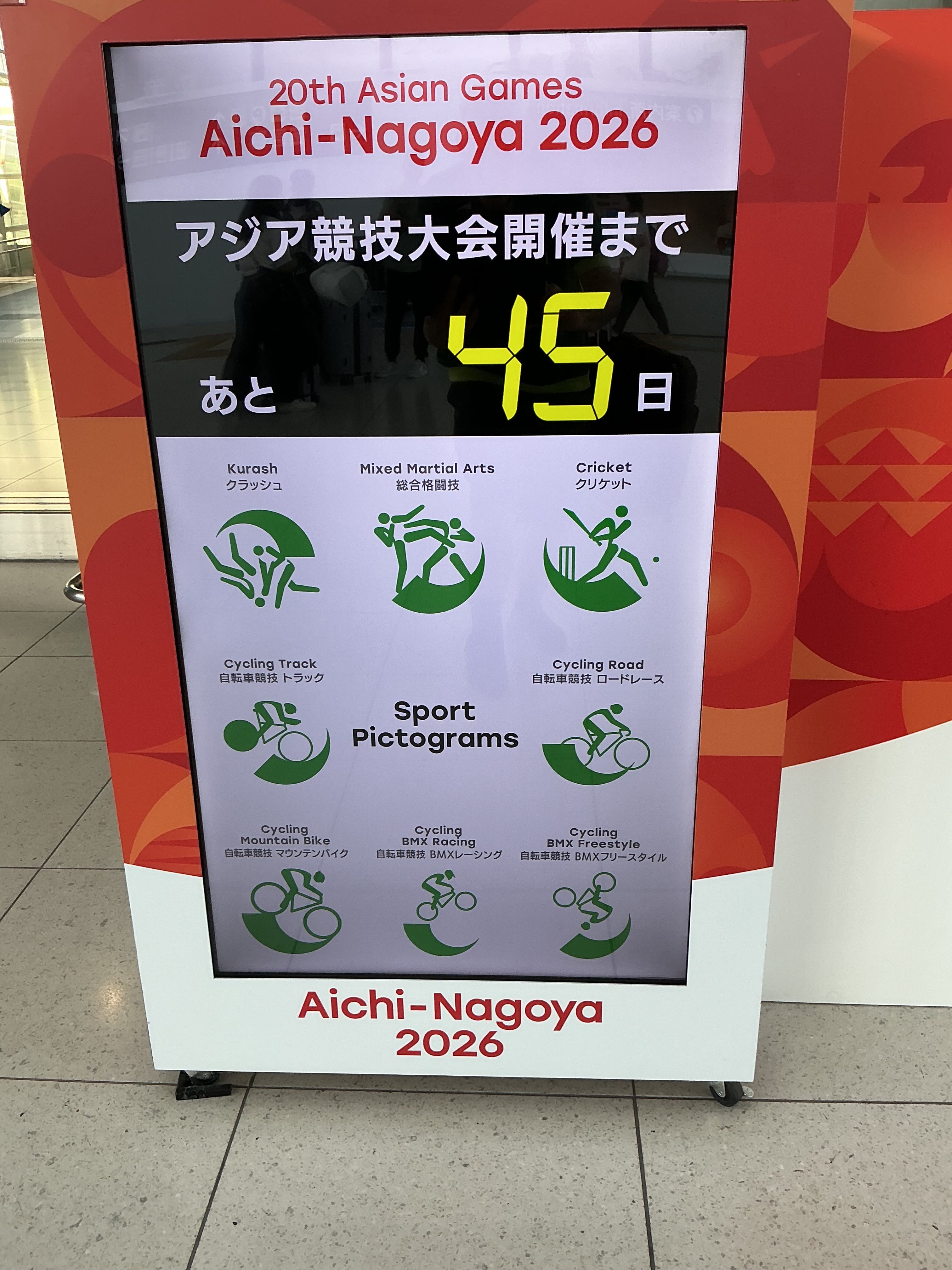
On 8th May, Korogi Sports Park in Nisshin, Aichi Prefecture, Japan, proudly became the 355th ground in the world to host international cricket. The transformation began in late 2025, after the venue had been selected for the 2026 Aichi Nagoya Asian Games, undergoing a remarkable seven-month conversion from a baseball field into a modern multi-sport facility. This rapid redevelopment brought new opportunities for the local community and marked a significant milestone for cricket in Japan.
The East Asia Pacific 2028 World Cup qualifier served as the ideal test event, attracting nine teams from across the region. Fiji, Vanuatu, Cook Islands, South Korea, Japan, and Papua New Guinea played in Nisshin, entertaining nearly 1,000 spectators—many of whom were experiencing cricket for the first time. The event demonstrated how cricket’s inclusion in the Asian Games could help spark enthusiasm and broaden the sport’s reach in Japan.
Following the matches in Nisshin, the teams travelled to Sano City—the heart of Japanese cricket—where the remaining group, featuring Indonesia, the Philippines, and Samoa, competed for a spot in the next stage. In total, six teams (three from each group) advanced to the next round, while the other three teams participated in a development competition focused on growth and experience, as well as providing opportunities for local umpires to officiate in international cricket.
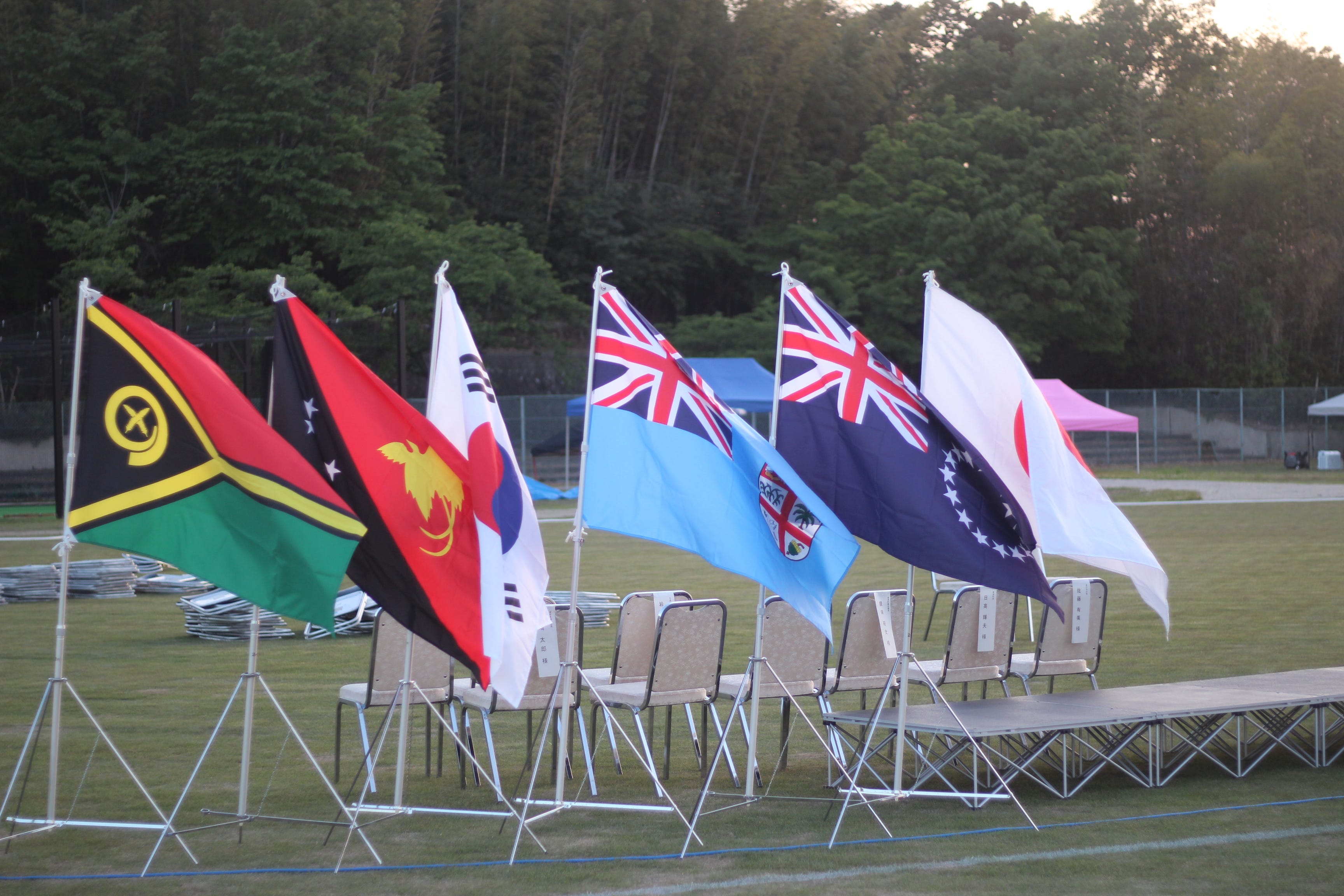
Day One – Friday, 8 May 2026
On an overcast morning, after a 30-minute delay, Vanuatu and Fiji took to the field for a historic occasion. Slow over rates are a constant source of debate in cricketing circles; however, with both sides moving briskly through their overs, there was no need for a reduced-overs match. The ground and its surroundings offer a striking contrast between modern and historic Japan, while the competing teams come from a region with a rich cricketing heritage that is too often overlooked by the wider cricket world.
If Fijian bowler Siteri Tabuisulu glanced up as he marked out his run, he would see Aichi Gakuin University, from where I had watched this cricket ground gradually take shape over several years.
As the umpire prepared to start the match, the song of an uguisu (Japanese bush warbler, ウグイス) drifted across deep midwicket, blending with the quiet anticipation around the ground. Behind the wicketkeeper, a Linimo train glided past, carrying shoppers to the nearby AEON Mall and history enthusiasts to the battlefield of Nagakute, the site of a pivotal battle fought in 1584 during Japan’s Sengoku period. From the scorers’ table, the distant Ferris wheel of Ghibli Park—a theme park inspired by Studio Ghibli and built on the grounds of Expo 2005 Aichi—was just visible, linking the day’s cricket with both local history and modern Japanese culture.
Day One – Friday, 8 May 2026
Weather: Cloudy, becoming sunny. Maximum temperature: 25°C.
Match One
Vanuatu beat Fiji by 121 runs
ICC Men’s T20 International No. 3839 ICCtv
Vanuatu 169–4 (20 overs)
(J. Rasu 59, A. Mansale 49, N. Nipiko 32*; J. Baleicikobia 2–29)
Fiji 48 all out (14.4 overs)
(W. Nalisa 3–6, D. Wotu 2–3, J. Rasu 2–10)
Player of the Match: Joshua Rasu (Vanuatu)
Match Report
Vanuatu won the toss and elected to bat.
Although they had not played a T20 International since August 2024, Vanuatu looked the better-prepared side from the outset. Their running between the wickets was instinctive, and they outplayed Fiji in every department. Fiji, meanwhile, were unable to field their strongest team, with several players unavailable because of work commitments.
Captain Joshua Rasu, who opened both the batting and the bowling, played a composed innings. He scored the first international run at the ground from the fifth ball of the match before steadily increasing the scoring rate. Looking set for a bigger score, he was eventually dismissed for 59. Andrew Mansale and Nalin Nipiko then accelerated the innings, helping Vanuatu reach 169 for 4 and set Fiji a target of 170.
A nation with a proud cricketing tradition, Fiji struggled throughout the chase. Playing only their 17th official T20 International, they were dismissed for just 48, their lowest total in the format. Vanuatu shared the bowling honours, although Williamsing Nagisa’s leg-spin was particularly impressive, returning figures of 3 for 6 as Fiji’s batting line-up was swept aside.
As the victorious Vanuatu players left the field, the crowd was treated to the team’s traditional victory song, bringing a memorable close to the first international match ever played at the venue
Match Two
Cook Islands beat South Korea by 9 wickets
ICC Men’s T20 International No. 3840 ICCtv
South Korea 47 all out (16.2 overs)
(S. Ahmed 20; Q. Stephens 3–4, CR. Dickson 2–4, OE. Taylor 2–8, JL. Tutty 2–10)
Cook Islands 49–1 (4.4 overs)
(TTR. Parima 21*; HB. Dickson 18; M. Nadeem 1–10)
Player of the Match: Quinn Stephens (Cook Islands)
Match Report
In a match featuring seven debutants, Cook Islands won the toss and elected to field.
Looking a class above their opponents, they seized control from the outset, reducing South Korea to 27 for 7. Debutant off-spinner Quinn Stephens proved almost unplayable, returning remarkable figures of 3 for 4 from his three overs. Support came from Connor Dickson, Oliver Taylor, and Josh Tutty, as the Cook Islands attack maintained relentless pressure.
Only Sageer Ahmed, with 20, and Sameera Maduranga offered any meaningful resistance, but South Korea’s total of 47 was never likely to test their opponents.
Cook Islands wasted little time in the chase. Thomas Parima struck an unbeaten 21 as they raced to victory in just 4.4 overs, completing a comprehensive nine-wicket win and underlining the gulf between the two sides.
Day Two: 9th May 2026
Weather conditions Sunny but very windy
On a blustery morning, Master of Ceremonies and former Japan captain Tetsuo Fuji, who had played in Japan’s first international match in 1996, introduced the national anthems before a healthy crowd. As the wind strengthened throughout the day, volunteers could be seen holding the temporary scoreboard in place to prevent it from toppling over—a small but memorable reminder that international cricket was still finding its feet at the new venue.
Match Three
Japan beat Vanuatu by 30 runs
ICC Men’s T20 International No. 3847 ICCtv
Japan 123 all out (19.4 overs)
( E Rahman 30, S Ravichandran 18, J Rasu 4-24, PK Matautaava 3-9)
Vanuatu 93-6 ( 20 overs)
( JP Kaltapau 37*, A Samad 2-4, C Hara-Hinze 2-21)
Player of the match : Joshua Rasu ( Vanuatu)
Match Report
The host nation, ranked 40th in the world, began their campaign nervously but demonstrated the significant progress they had made in recent years.
Winning the toss and electing to bat, Japan made a steady start until Abhishek Anand was caught by Womejo Wotu, who would finish with three catches. Captain and leading batter Kendel Kadowaki-Fleming never looked comfortable and was dismissed for 11. When the third wicket fell in the sixth over, Japan were in trouble at 30 for 3.
Esam Rahman and Sabarish Ravichandran then took control, rebuilding the innings with a composed partnership. At 96 for 4 after 14 overs, a total in excess of 150 looked within reach. However, Joshua Rasu turned the match with an outstanding over, claiming three wickets and triggering a collapse. Despite a late cameo from Shoma Sugaya-Slater, Japan slipped to a below-par 123 all out.
Vanuatu’s reply never gathered momentum as Japan’s spinners tightened their grip on the match. Left-arm spinner Abdul Samad was outstanding, returning figures of 2 for 4, including a maiden over. It was also striking how efficiently both teams completed their overs, a refreshing contrast to the slow over-rate debates that so often dominate discussions of the international game.
After ten overs, Vanuatu were struggling at 28 for 3 and the chase already appeared beyond them. Junior Kaltapau offered determined resistance with an unbeaten 37, well supported by Clement Tommy, but the pair could only reduce the margin of defeat as Vanuatu finished on 93 for 6.
Despite finishing on the losing side, Joshua Rasu was named Player of the Match for his outstanding spell of 4 for 24, which prevented Japan from posting what had looked likely to be a much larger total.
Kaltapau holds the unusual distinction of having both played and officiated in T20 International cricket, having stood as an umpire in five Women’s T20 Internationals in 2022.
Match Four
PNG beat South Korea by 136 runs
ICC Men’s T20 International no. 3848 ICCtv
PNG 197-3 (20 overs)
(TP Ura 106*, S Bau 59, DVD Madampage 1-14)
South Korea 61 (DVD Madampage 16, BI Dilruksha 13, A Oru 4-11, L Siaka 2-5)
Player of the Match TP Ura ( PNG)
Match Report
PNG won the toss and elected to bat, dominating the match from start to finish. Tony Ura and Sese Bau gave the South Korean bowlers little opportunity as they went through the gears, scoring at around ten runs an over. A huge total looked on the cards when Bau was caught on the boundary for 59, ending an opening partnership of 137.
Chamith Ranasinghe and Daham Madampage bowled tightly for a couple of overs, dismissing debutant Ryan Ani cheaply. Ura showed his class, rotating the strike intelligently while continuing to score quickly. He looked set to record both his highest T20I score and take PNG beyond 200. A single took him to his century at the beginning of the 18th over, but he added only six more runs, finishing unbeaten on 106—one short of his highest T20I score and tantalisingly close to another milestone, ending the innings on 99 career T20I sixes.
Credit should go to South Korea for never giving up and for showing what they could achieve with more opportunities to play competitive international cricket.
Although victory was a long way beyond their expectations, the Korean openers batted freely, adding 20 before the first wicket fell in the 3.1st over. Balage Dilruksha, South Korea’s leading run-scorer, struck three fours from his ten balls before being bowled by debutant Aue Oru, who not only took a wicket with his first international delivery but went on to claim three wickets in his first over.
PNG used eight bowlers during the innings, but South Korea survived until the final over. Their campaign in the opening phase had ended, but they would travel on to Sano, where they would go on to win the tri-series involving the Philippines and FijiDay Three 10th May 2026
Weather Conditions Sunny with a light breeze
Match Five
Japan beat Fiji by 8 wickets
ICC Men’s T20 International No. 3855 ICCtv
Fiji 74 all out (19.4 overs)
(J Baleicikoibia 39, I Takahashi 3–4, R Sakurano-Thomas 2–15, M Taniyama 2–27)
Japan 75–2 (7.1 overs)
(E Rahman 41*, SM Tupou 1–16)
Player of the Match: E. Rahman (Japan)
Match Report
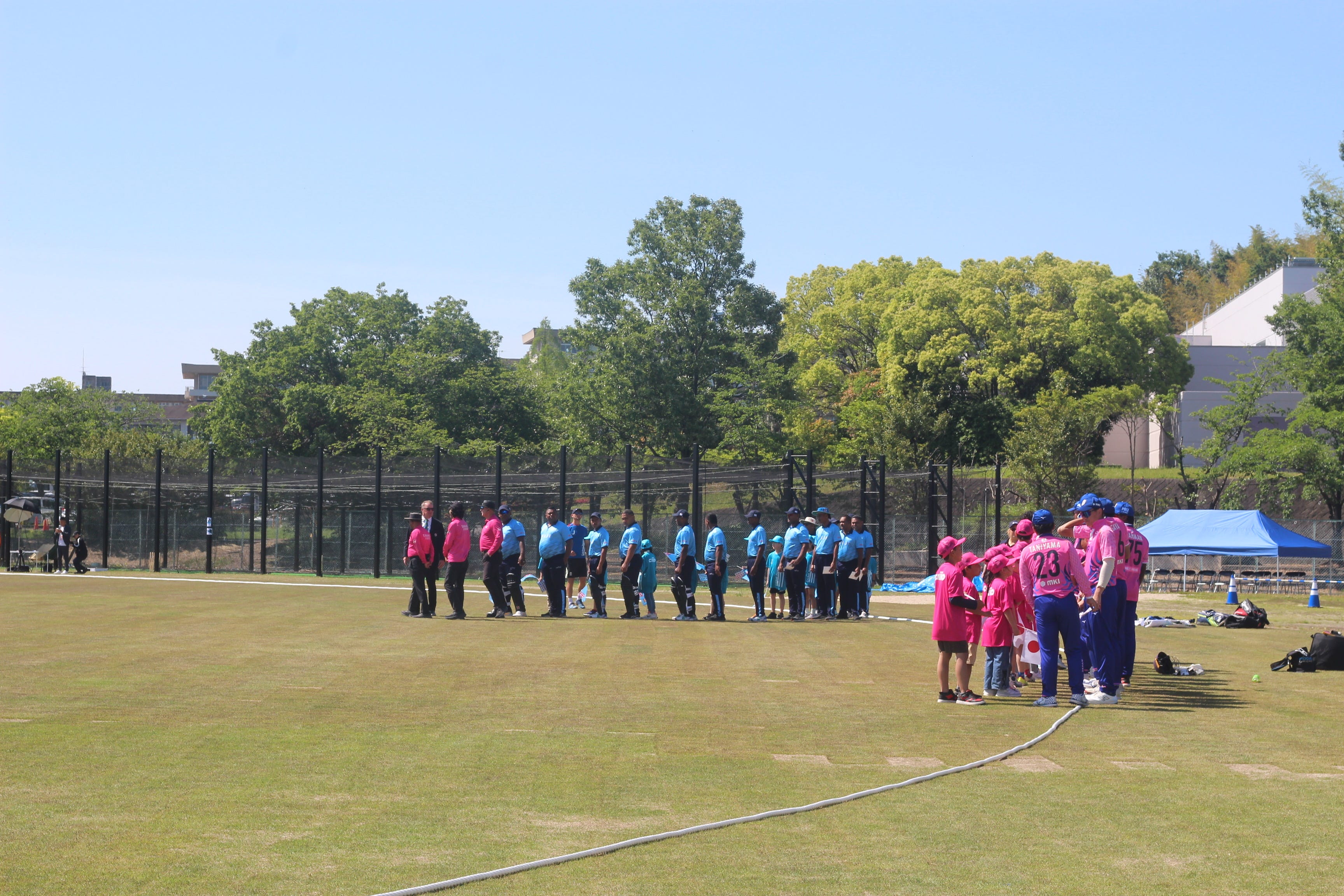
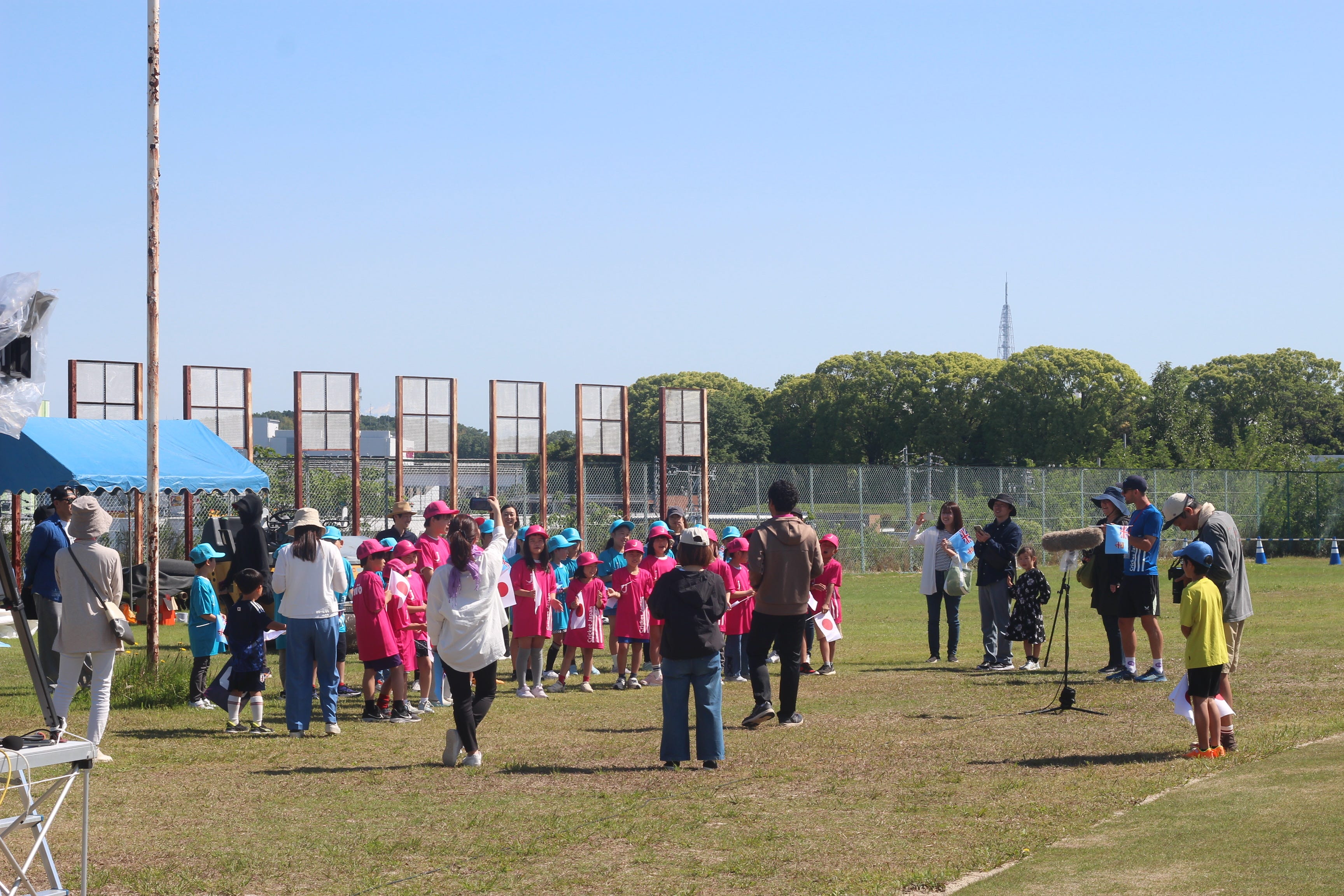
In front of the biggest crowd of the weekend, both teams were escorted to the anthem ceremony by local children, each allocated a team to cheer on.
Fiji, who won the toss, got off to the worst possible start when Vilisoni Veigravi was run out without facing a ball. A combination of tight bowling and poor batting meant wickets fell regularly. When the players took drinks at 25 for 6, the lowest team total of the tournament looked a distinct possibility. However, Josaia Baleicikoibia applied himself before being well caught by Abhishek Anand in the final over for 39, taking Fiji to a modest 74.
The first ball of Japan’s innings also resulted in a wicket, when Anand, attempting to hit the ball out of the ground, was caught by debutant Taleivuli Jikoibure. Esam Rahman showed plenty of intent and entertained the crowd with some clean hitting, putting on 67 with Reno Sakurano-Thomas. Rahman hit the winning runs to finish unbeaten on 47 and claim a well-deserved Player of the Match award.
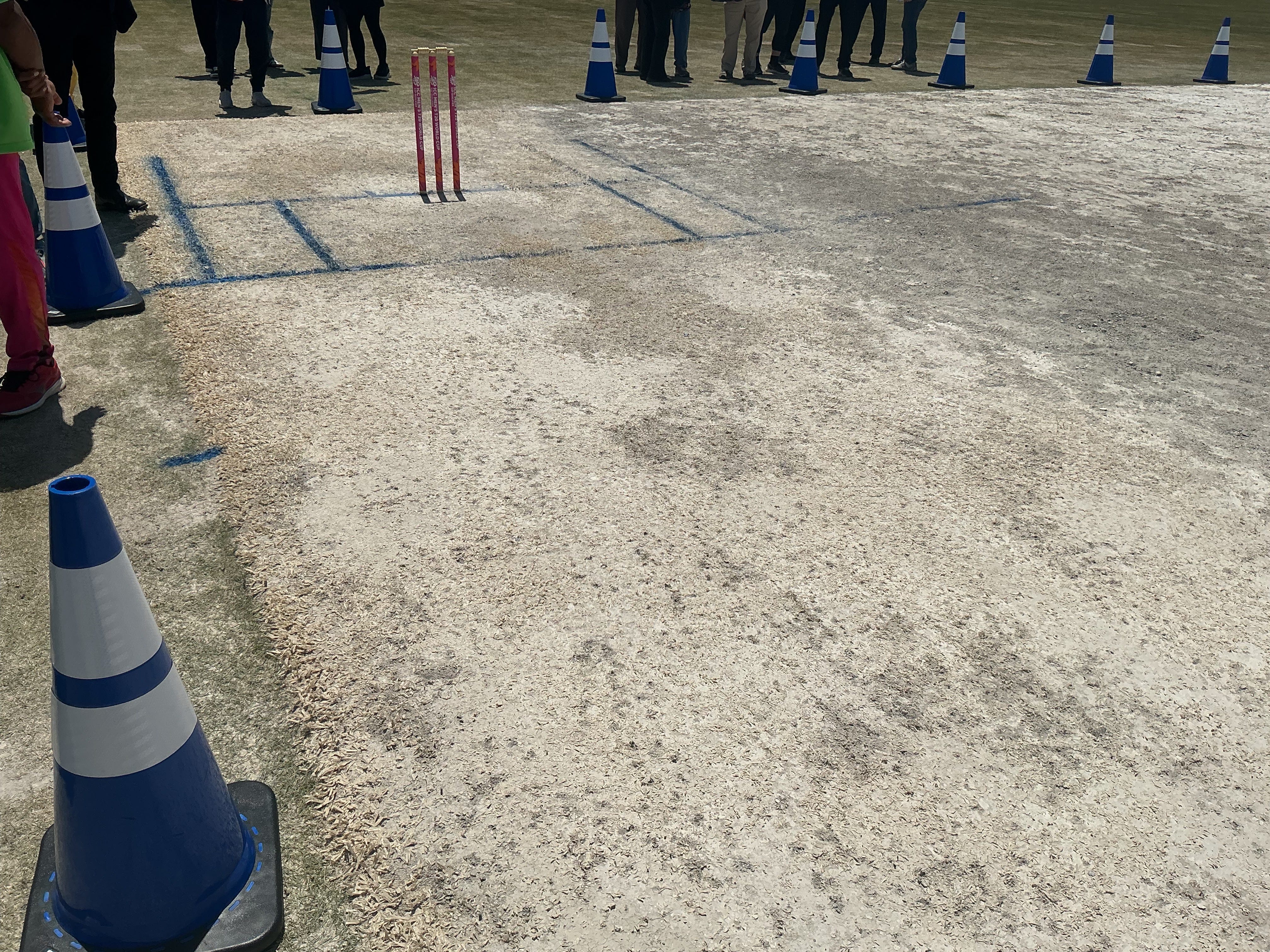
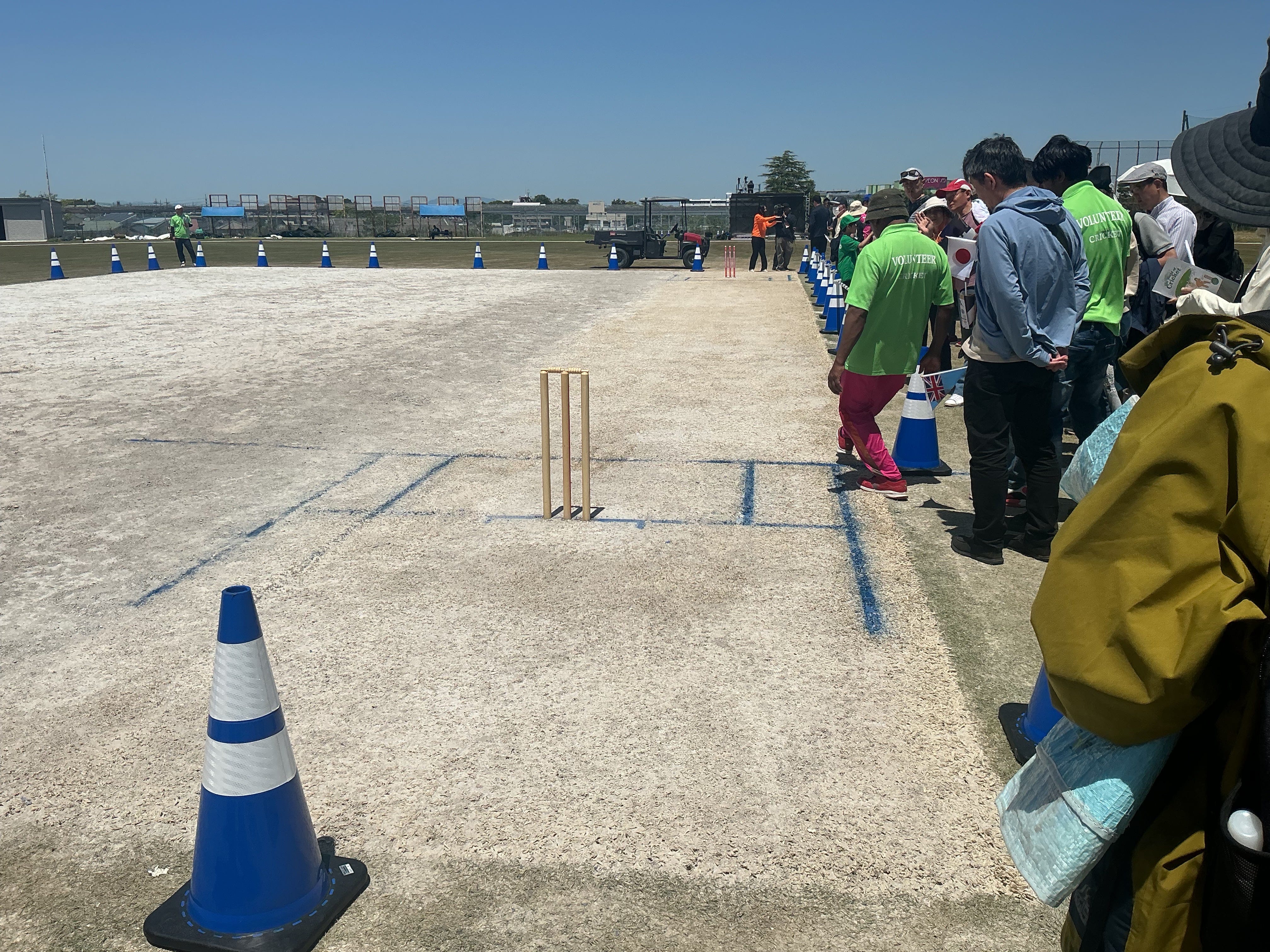
The early finish not only allowed the players and officials to enjoy a longer lunch but also gave local children an opportunity to experience more of the game. Spectators were invited to inspect the hybrid wicket, which had held up well over three days, offering both turn for the spinners and consistent bounce.
Cricketers from the Nagoya Bengal Tigers, three-time winners of the Japan Community Cup, were on hand to answer questions about cricket, while other spectators were interested to learn about Shogo Kimura, the former professional baseball player who played five T20 Internationals for Japan in 2022 and 2023
Match Six
PNG beat Cook Islands by 49 runs
ICC Men’s T20 International No. 3857 ICCtv
PNG 204–5 (20 overs)
(L Siaka 80*, TP Ura 74, S Bau 22, CR Dickson 2–29)
Cook Islands 155–6 (20 overs)
(HB Dickson 50, CR Dickson 41*, S Bau 2–22)
Player of the Match: Lega Siaka (PNG)
Match Report
The final match of the weekend was a run feast and a fine advertisement for Associate cricket. Both teams were already assured of a place in the Super Six phase, but were playing for points that would be carried forward.
After electing to bat, PNG got off to a flying start. Tony Ura hit his 100th T20I six, while Sese Bau attacked positively before Bau’s cameo of 22 from 16 balls ended at 35 for 1. Ura continued to attack, hitting six sixes and looking set for a huge score before he was caught on the boundary for 74 from just 33 balls.
Lega Siaka then took the reins, registering what was at that stage his highest T20 International score—a mark he would surpass during the Super Six phase. His unbeaten 80 helped PNG maintain the momentum, and spectators witnessed the highest total scored at the new ground as PNG finished on 204 for 5.
Although Cook Islands were always behind the required rate, they continued to bat aggressively, hitting nine sixes in their reply. The Dickson brothers were the main contributors, with Hayden making 50 and Charles finishing unbeaten on 41. Their hopes of victory finally disappeared when Player of the Match Siaka returned to the attack, taking 1 for 9 from his three overs—the most economical figures of the match.
Cook Islands had gained valuable experience during the opening round of the tournament and would go on to cause a major upset later in the competition, a result that would ultimately have a decisive bearing on who became champions.
The Super Six Stage
During the weekend, nearly 1,000 spectators had seen some entertaining cricket with two victories for the home team.The teams moved on to Sano, the home of Japanese cricket, but a six hour coach ride away. It was still unclear as to how many teams would progress on the 2028 World Cup qualifying route, however, it was believed the winner would definitely progress and perhaps the runner up and third place team. Despite losing to Japan, PNG won the competition on net run rate, Japan were second but more importantly beat PNG who were ranked 18 places above them.
A Great Weekend but an Uncertain Future
It was a great weekend, at the end of which nearly 1,000 spectators had witnessed what many believed was the beginning of a World Cup qualifying campaign. At the time, however, we knew that the ICC had not yet decided how many countries would qualify directly for the 2028 World Cup or how many would progress to further, as yet unspecified, qualifying tournaments.
Although it had not been confirmed, it appeared that another regional qualifier would be held at some point in the future, with the winner progressing to a global qualifying tournament. This uncertainty did little to diminish the experience. It was fascinating to watch and learn how an international cricket tournament is organised, while meeting and working alongside people from Japan and from countries around the world.
The ICC provided match officials under the guidance of tournament organiser Emily O’Brien, with officials travelling from several countries, including New Zealand, Indonesia and Australia, to help ensure the smooth running of the tournament. The local Bangladeshi and Sri Lankan diaspora also played an important role, providing scorers, working on the ground and, perhaps most importantly, supplying superb Sri Lankan food for officials and volunteers to sample.
Above all, thanks should go to Miyako Ito and her team of volunteers, who liaised with the teams and helped organise the spectators. Their work, often taking place behind the scenes, was essential to creating the atmosphere and sense of occasion that surrounded the tournament.
Following the ICC meeting in July, a qualification pathway for the 2028 World Cup was eventually outlined. However, rather than providing complete clarity, it introduced further uncertainty for the Associate nations. It now appears that the Nagoya tournament may not have been the start of the EAP regional qualifying process after all, with another tournament likely to be played in the near future.
Perhaps that is the nature of Associate cricket: progress can be significant, opportunities can be tantalisingly close, and yet the pathway forward is not always clear. What is certain is that, for one weekend in May, international cricket came to Nagoya. Nearly 1,000 spectators watched, players from across the Asia-Pacific competed, volunteers worked tirelessly, and a new cricket ground hosted its first international matches. Whatever happens next, that was worth celebrating.
The Asian Games
Whatever the eventual status of the tournament, the ground staff have created a venue capable of hosting international cricket and, in September, the Asian Games. Cricket was added to the Games schedule at short notice in 2025, which led to a hastily arranged qualification process. Unfortunately, the Middle East conflict not only resulted in several tournaments being postponed but also meant that the regular post-COVID backup option of Dubai was unavailable.
The men’s qualifier was eventually held in Singapore in late May. Financial pressures and the hastily arranged nature of the competition meant that several teams withdrew. Nepal were crowned champions after easily defeating Hong Kong in the final, although both teams, along with Malaysia and Oman, qualified for the Games. Nepal attract large crowds wherever they play and will surely play in front of sell-out crowds in Japan. The big guns—India, Afghanistan, Pakistan, Sri Lanka and Bangladesh—will be the favourites, but Japan could cause an upset on home soil.
India, Pakistan, Sri Lanka and Bangladesh, as well as hosts Japan, qualified automatically for the eight-team women’s event, which will be played as a straight knockout tournament. The opportunity to play a Full Member is something many Associate nations can only dream of; however, it is unfortunate that time constraints did not permit a group stage in which the smaller nations could play more matches.
Malaysia hosted Thailand, Hong Kong, China, Indonesia and Nepal in the tournament for the final three places. Thailand won all their matches convincingly, defeating a well-prepared Malaysia in the final. China’s women’s ranking had fallen from 25th in 2019 to 43rd at the start of the tournament, but they performed impressively to reach the third-place play-off against Nepal, who were ranked 21 places above them. In a rain-affected match, China reduced Nepal to 50 for 5 in seven overs. Chinese captain Mingyue Zhu was named Player of the Match after taking a crucial wicket and scoring a quick-fire 18 as China caused an upset.
Korogi Sports Park will become the 498th ground to host a women’s international match when Japan face India in September. The Asian Games begin on 17 September, when Japan Women, captained by Mai Yanagida, face Harmanpreet Kaur’s India in the opening match. After an uncertain qualification process and a weekend that left many questions about the future of Associate cricket, the Asian Games will provide Japan with an opportunity to test themselves against one of the strongest teams in the world on home soil.