
Leyland’s patient symphony
A coming-of-age

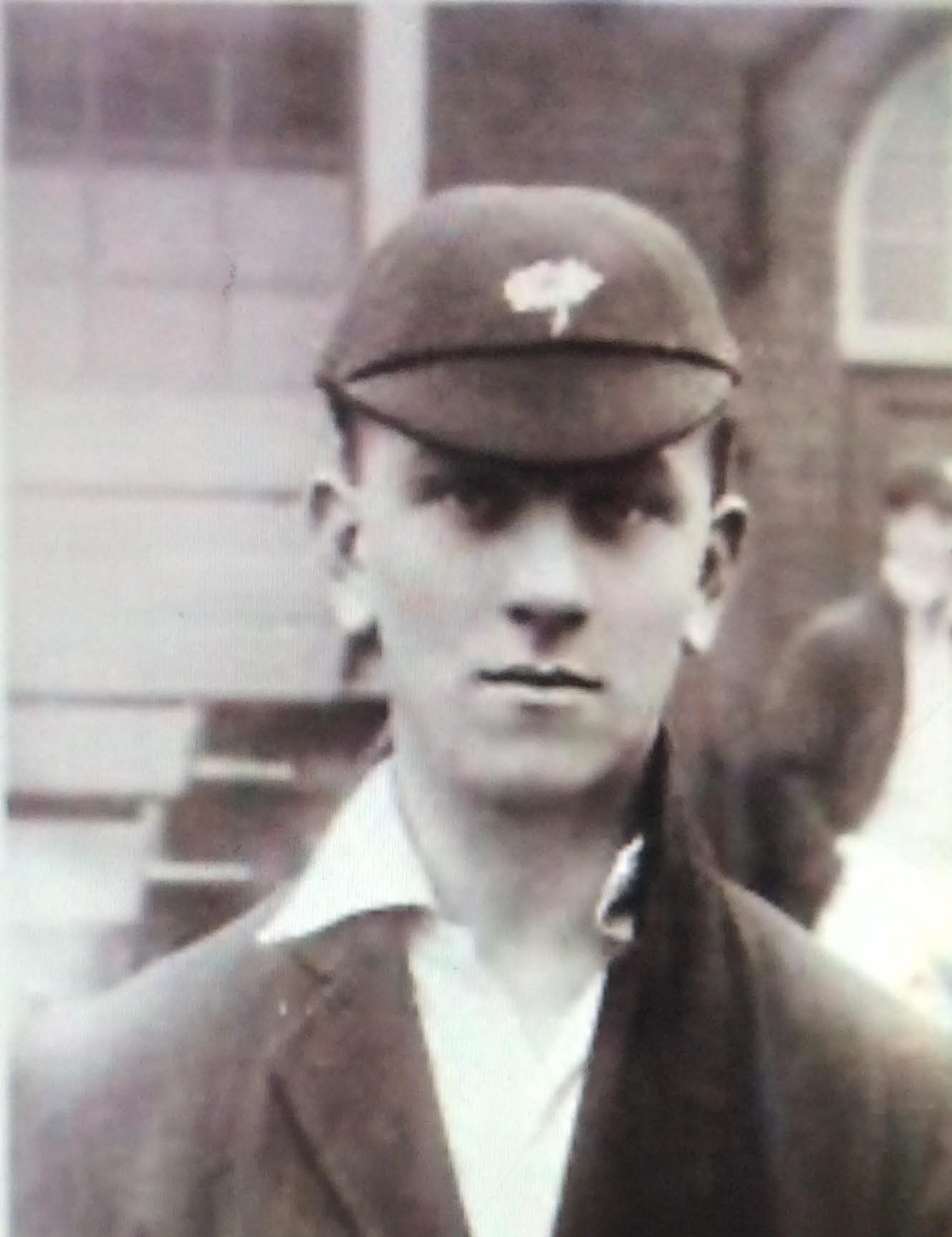
In August 1924, four summers after Maurice Leyland first stepped into the company of first-class cricketers, he found himself engaged in that perennial contest of pride and passion: the Roses Match against Lancashire at Old Trafford. The very air was charged with the old antagonism, the ground a theatre on which tradition and rivalry met in ritual combat.
Yorkshire, having won the toss, chose to bat, though the day permitted only a restricted measure of cricket. Herbert Sutcliffe, with the poise and certainty of a master, carved out ninety runs of rare distinction. His strokes were a gallery, each boundary a brushstroke upon the canvas of the afternoon. By stumps Yorkshire stood at 147 for three, Leyland unbeaten with 34, an innings still in embryo.
Monday dawned under a heavy sky, the clouds brooding like critics. Yet more than twenty thousand souls gathered, for the Roses Match was no ordinary fixture; it was a civic occasion, a festival of county pride. Leyland, patient and restrained, began to shape his young innings into something memorable. The first century of his career was not the product of impetuous flourish, but of long, deliberate craftsmanship: four hours and three quarters of steady labour, punctuated by fourteen fours. Only once did fortune nod, when Richard Tyldesley, at second slip, let fall a chance off Macdonald as Leyland stood on 91.
Wilfred Rhodes partnered him briefly in the morning, but departed for twelve. Then came Roy Kilner, who, with a little luck and much vigour, struck 37 out of 46—a lively counterpoint to Leyland’s measured symphony. At luncheon Yorkshire were 230 for six, the innings balanced between promise and peril. Macauley lent sturdy support, adding 47 in three quarters of an hour, but he too was reprieved by Tyldesley when nine.
The pitch eased as the day wore on, becoming a friend to the batsmen, and Leyland discovered in Dolphin a partner of value. Together they produced 75 in the space of an hour, the crowd warmed by the freedom of their strokeplay. Leyland, now fully in command, finished unbeaten on 133 in 285 minutes—a monument of patience and skill, an assertion of his place among the Yorkshire stalwarts. He had carried the county to 359, a total respectable and hard-earned.
Lancashire, in reply, were 78 for two at the close, but the rain of Tuesday descended like a curtain upon the play, denying the match its natural conclusion. Yet Monday remained indelible, for it was Leyland’s day—the day he inscribed his name upon the scroll of first-class cricket. That season he amassed 1,259 runs in 48 matches, a harvest that secured his place in the formidable Yorkshire line-up which, from 1922 to 1925, reigned interruptedly supreme in the County Championship.
In the years that followed, Leyland’s bat would be summoned to England’s service; for a decade he would wear the national colours. But it was at Old Trafford, on that August Monday, that he first revealed himself not merely as a man of promise but as a craftsman destined to shape the game’s architecture for many years to come.
 | A guest post by
|