
A Striking Summer
John Ward reviews Stephen Brenkley's account of coal, crisis and cricket in 1926

Below is the latest in a regular series in which we spotlight a fascinating title from the vast collection catalogued in the Cricket Bibliography project, drawing on insightful (but not necessarily positive!) reviews from the archives of our journal. For more like it (and a lot more unlike it!), click here and become an ACS member.
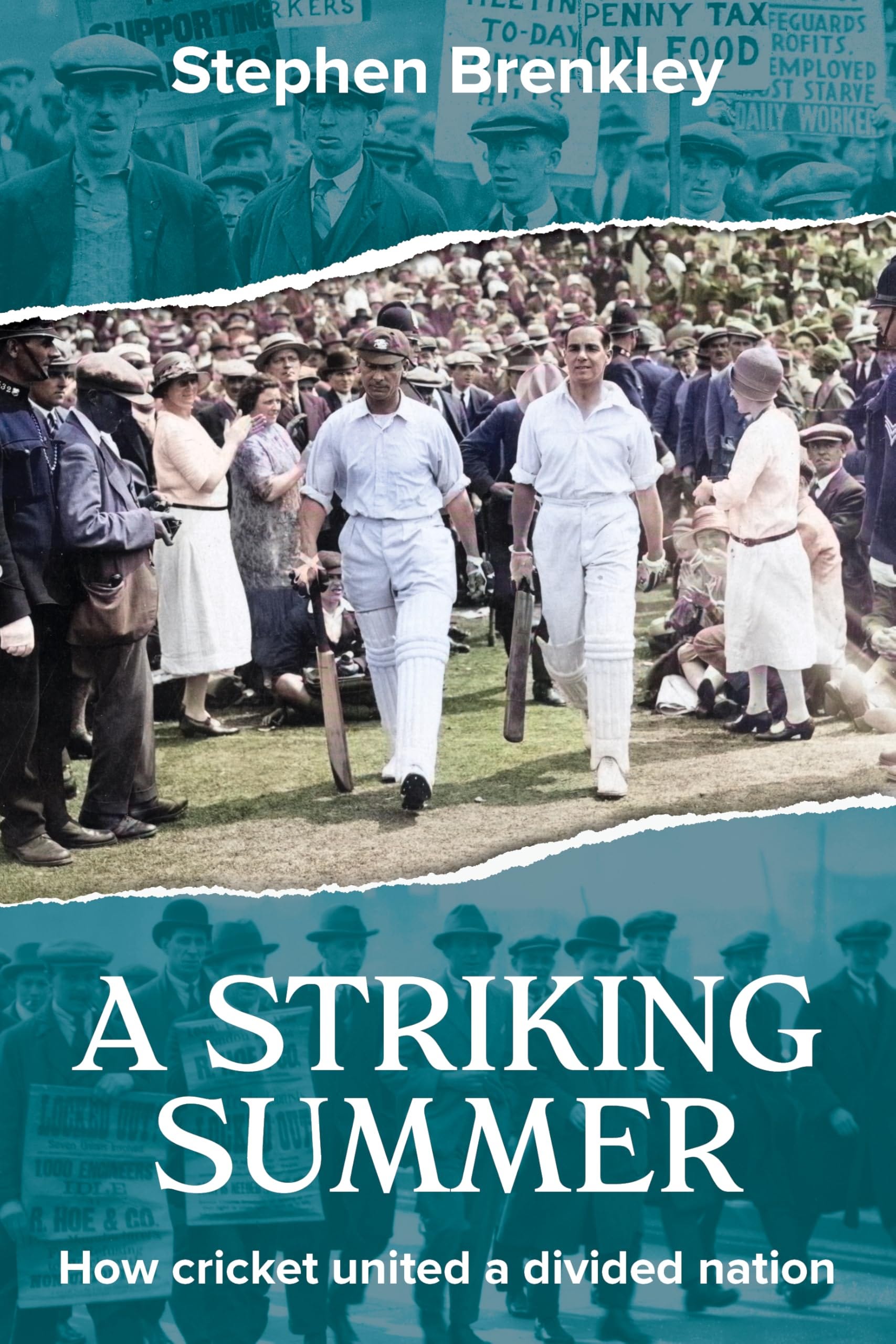
The title is of course a deliberate pun. To millions of Englishmen, 1926 was memorable for two main events: the Great Strike and the Australian cricket tour by Herbie Collins’ team. In 1926 Britain seemed to be in a virtually disastrous state after the First World War and was scarcely interested in saying, ‘You should see the other guy.’ Mr Brenckley describes the situation superbly, and there is no room in this review even to summarize it adequately. Worst hit, though, were the coal-miners, exploited by unscrupulous mine owners and paid so little to do their appalling jobs that they lived in pitiful poverty. The alternative was to be jobless and therefore penniless in those days. Many of the coal mines were so economically unviable that the government was subsidizing them and could not afford to do so more. It seemed to be an insoluble situation and the desperate miners ― and others ― felt a strike was their only option. Britain was in turmoil, in danger of being torn apart by civil war or revolution.
This was basically the situation as the poor excuse for a summer that was 1926 opened. The country was deeply divided politically and deeply fearful. They needed something to unite them and give them hope. That something proved to be the Australian cricket tour.
Mr Brenkley skilfully interweaves these two strands throughout the book in a way that is always clear and fascinating, and never becomes laboured or boring. He traces the recent history of both since the War concisely and clearly and keeps the interest throughout. This is a book of two worlds that were woven together in that ‘striking’ year. Naturally the political situation affected the cricket tour, but not as much as might have been feared.
All the main events and the controversies of the tour, especially concerning the selection of the England team for the fifth Test match, are covered thoroughly. The result of that match, despite the selection sensations and blunders, after a frustratingly rain-ruined series to date, evoked tremendous excitement and jubilation throughout the country, raising morale as the one great beacon of light in the grim darkness of Twenties Britain. It is impossible to say just what effect this tour and England’s ultimate victory had on the history of Britain in the Twenties, how many riots or suicides it may have prevented, but certainly for many it was the one beacon of hope and celebration and national unity in the darkness.
The players themselves are not ignored, and Mr Brenkley includes at intervals interesting and informative pen-pictures of all the players on both sides. This I would say firmly is one of the finest and most enlightening cricket books I have ever read, and if it doesn’t win a number of awards ― well, then I’m a coal-miner. I hope Mr Brenkley will find other cricket seasons to delight and instruct us with in the future. I would call this one a masterpiece.
John Ward