
A ramble through the local game
From Bramhope to Bilton

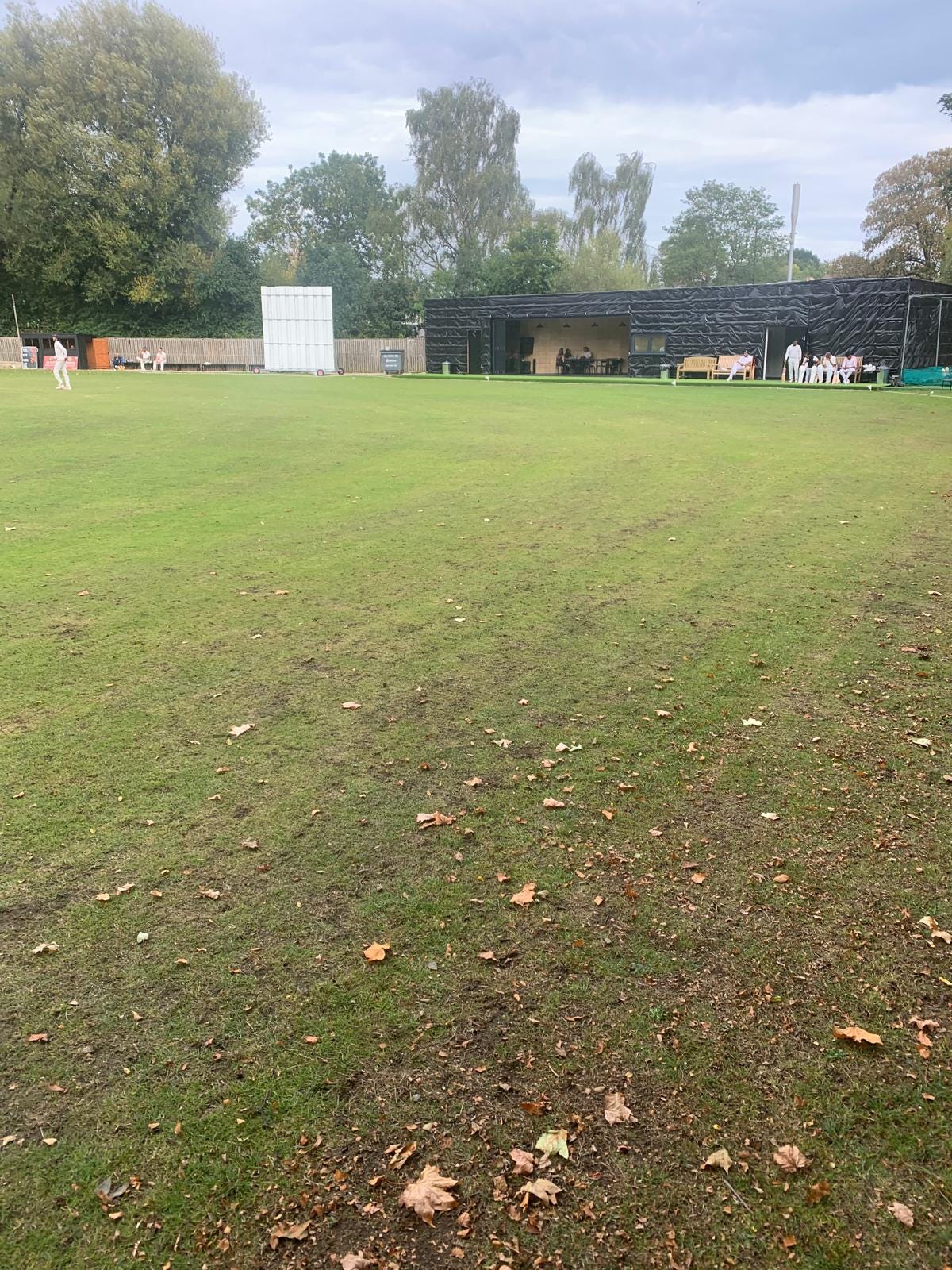
As the season wanes and the sun begins its slow retreat from the long shadows of late summer, I feel compelled to take a pilgrimage—not to the cathedrals of Lord’s or Old Trafford, but to the more modest cricketing chapels scattered across our local parishes. For cricket, like the countryside, reveals its soul not in grandeur but in detail: the worn crease, the solitary scorer beneath a billowing parasol, the echo of leather on wood in the hush of a Saturday afternoon.
My first port of call is St Chads, where the scent of fresh timber mingles with the faint aroma of linseed oil. They are rebuilding their pavilion (above), a labour of love that has stretched over two years. Today they host Newton Hill in the Pontefract and District Division 1, the league they now inhabit after demotion from the loftier Airedale and Wharfedale. Newton Hill, batting first, find the going heavy; the pitch and the bowling conspire against ambition. They are dismissed for 117. St Chads reply with 118 for five, and in so doing, perch themselves atop the table with two weeks to go. Their prospects, like their pavilion, look very promising.
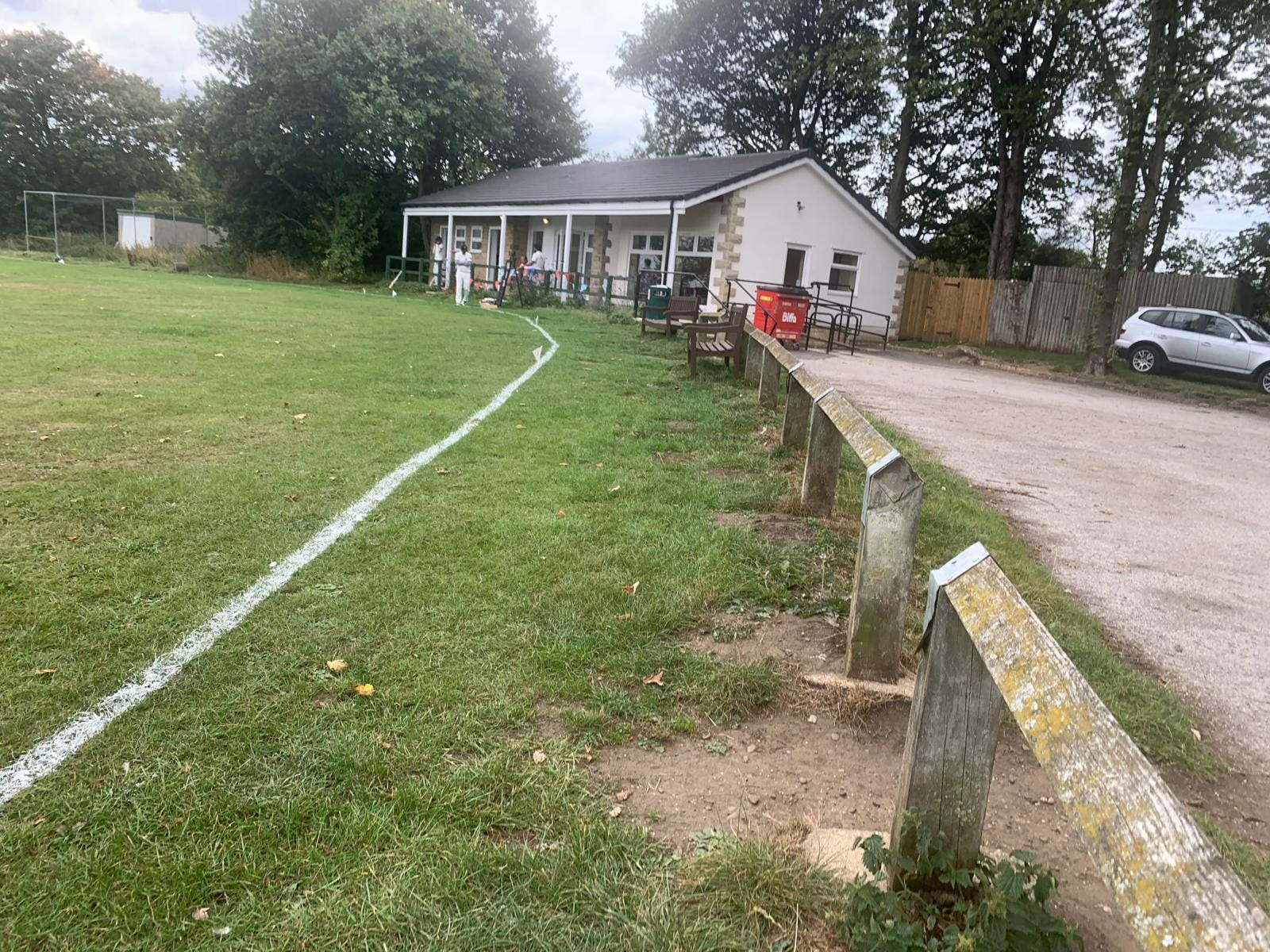
From there I wander to Bramhope, where Headingley Bramhope are engaged with the Old Monk Mavericks in the Dales Council Division C. It astonishes me that I have never visited this ground before: It lies just six miles from my doorstep. Cricket often blooms in overlooked corners. The wicket, tended by the local council, bears the weary appearance of municipal compromise: playable, but unloved. The Mavericks compile 190 for nine in their forty overs. I depart before the chase begins, later learning that Bramhope fall short by thirty runs. The Mavericks are now third, but the absence of umpires and the sparse attendance—two spectators apart from myself—suggest a league in need of revival, if not rescue:
Arthington is next on my map, but the gates are shut, the silence more eloquent than any scoreboard. Thorp Arch & Boston Spa, it seems, could not raise a side. In the Yorkshire Premier North Ebor Division 1, Arthington lead the pack; the no-showers languish in ninth. The cancellation may speak to deeper malaise. One hopes it is not a harbinger of withdrawal.
Adel offers a more bustling scene, though not entirely due to the cricket. The car park is a mosaic of football boots and hockey sticks—a reminder that sport in England is a crowded house. Adel Seconds are facing Otley Seconds in the Airedale and Wharfedale League. Otley post 168, and when I leave, Adel are tottering at 75 for seven. Yet from the wreckage rises Maharth Shah, who carves out an innings of 87, the lone violin in a storm, lifting Adel to 139.
A mile further brings me to New Rover, where Bolton Villas 1924 have amassed a formidable 248 for eight in fifty overs. New Rover, 109 for four when I arrive, are chasing shadows. I speak to Keith Boyce, the groundsman—a man of soil and soul. He laments the rising costs of pitch maintenance and the dwindling help from players. Over a hundred matches have graced the square this summer. New Rover eventually reach 219, Shazam Aslam contributing 39. The crowd numbers two, not counting the ghosts of cricketers past who are surely watching from the hedgerows:
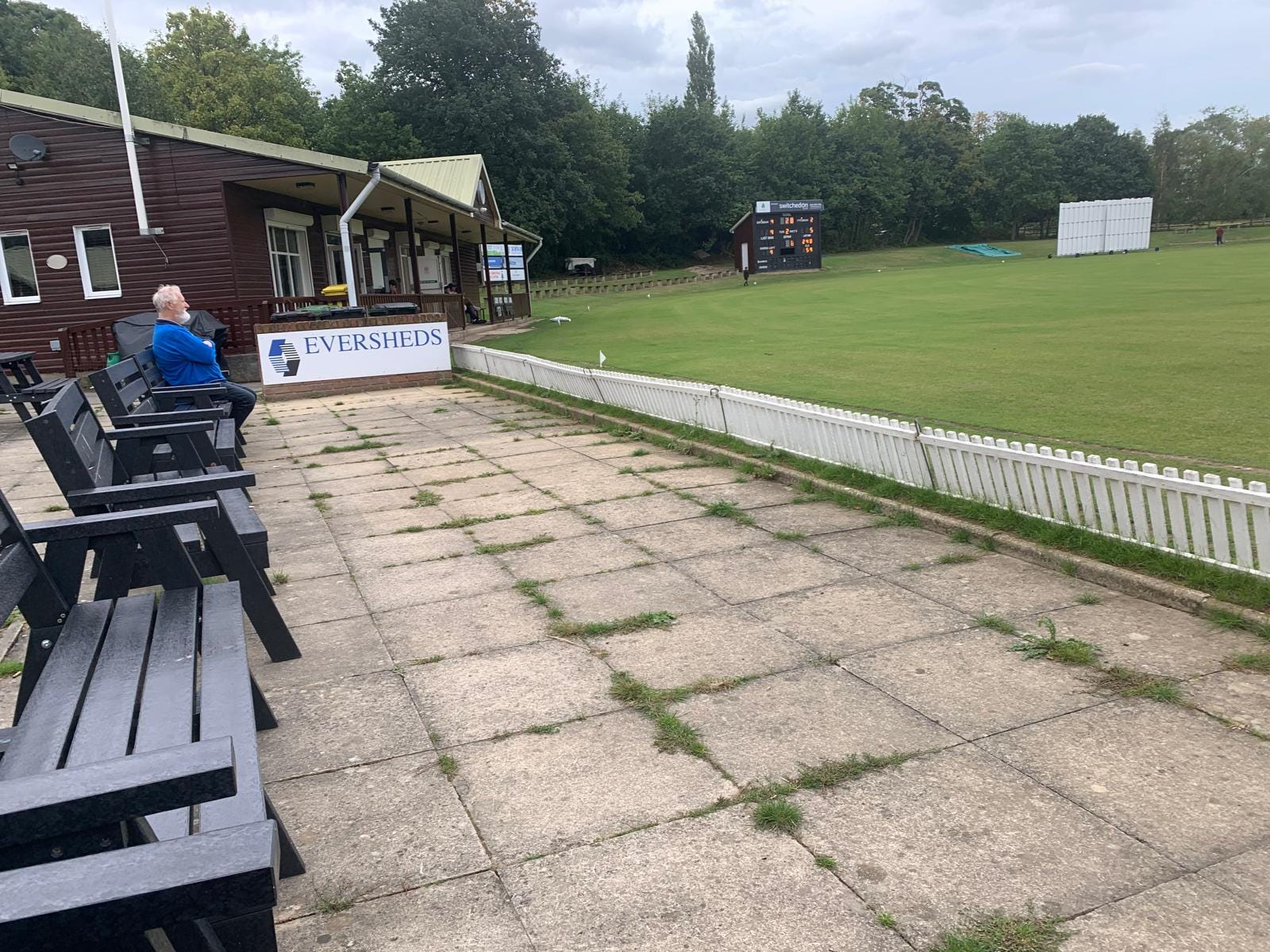
My final stop is Kirkstall Education, where the top two sides of Division 1 meet in a contest that draws a proper crowd. Bilton bat first, and with Nicholas Walker’s seventy and Sam Dale’s unbeaten 75, post 248 for six. Kirkstall falter—bowled out for 154. Bilton are now striding confidently toward promotion. I meet David Hodgson, the club’s groundsman, whose dedication mirrors that of Boyce. Such men are the custodians of our game; their dwindling numbers should concern us all.
And so ends my four-hour sojourn through the local game—a tapestry of triumphs, tribulations, anxieties and heroisms. Next week, I journey to Taunton, although the forecast threatens rain.
 | A guest post by
|