
A Centenary at Rugby
Brian Sanderson on a poignant gathering

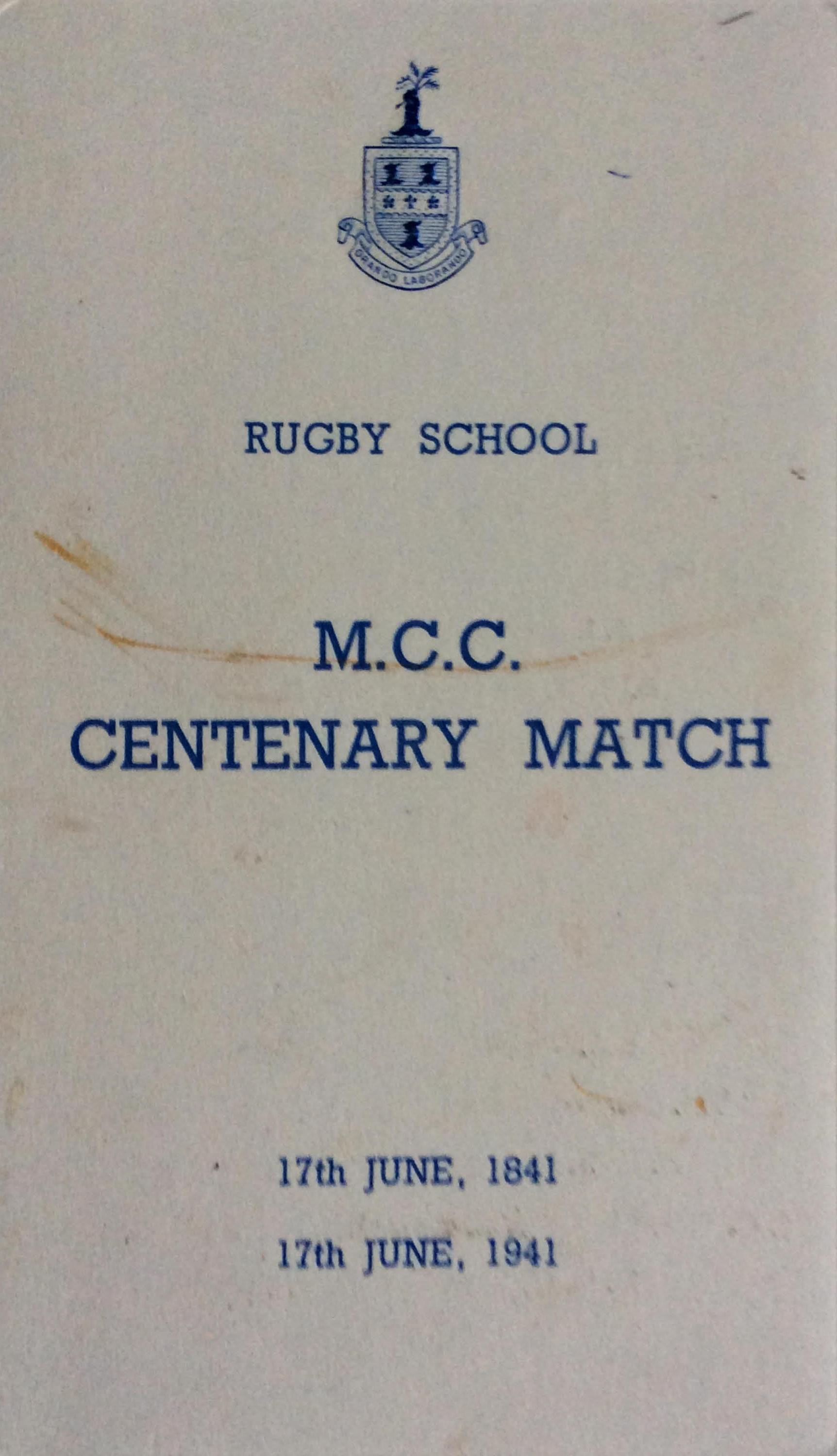
On June 17, 1941, the world stood on the cusp of cataclysm. The front pages bore grim tidings: Germany, restless and ravenous, threatening to hurl its legions eastward into Russia. Europe braced for another convulsion. Yet at Rugby School a different kind of drama unfolded. A cricket match, of all the things, was about to be played.
It was precisely one hundred years since “Old Mr Aislabie” and the men of Lord’s had journeyed to Rugby to contest a match immortalised in the closing chapters of Tom Brown’s Schooldays. Half-real and half-romanticised, it has become part of England’s cricketing folklore. Thomas Hughes, author of the novel, had captained a school team including Augustus Orlebar, real-life inspiration for Tom Brown.
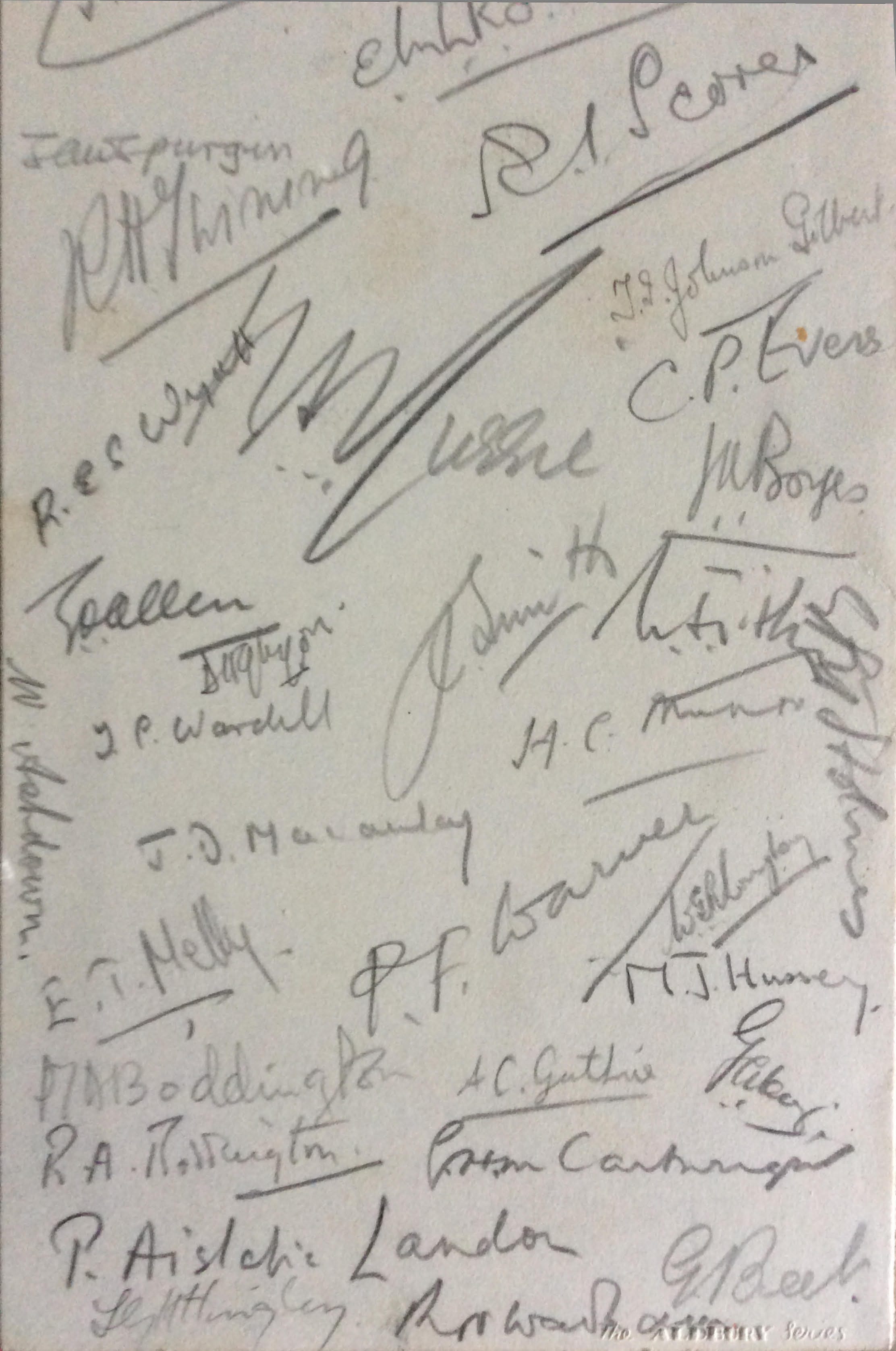
To mark the centenary, the School XI took the field against an MCC side captained by its Secretary, Lieutenant-Colonel RS Rait Kerr, himself an Old Rugbeian. Although the match stirred considerable local interest, the crowd was sparse, thinned by the shadow of war and the rationing of joy. Among those present was Sir Pelham Warner, Old Rugbeian and former England captain, whose presence lent the day a touch of Edwardian gravitas, and Philip Landon, great-grandson of the original Mr Aislabie. I have obtained the luncheon menu, adorned with signatures, to be placed among my growing collection of wartime memorabilia.
Before winning the toss, JA Bowes, the Rugby captain, received a telegram from MCC President Stanley Christopherson: “My best wishes to you and your team on this great occasion and my best regards to your opponents.” Bowes then sent the visitors in to bat. Their joy was immediate and unrestrained when, with the scoreboard still blank, a wicket fell: Bob Wyatt, essaying a pull, was caught cleverly by Melly at short square leg. Then Gubby Allen was stumped by Macauley. AC Guthrie, the bowler, could reflect with satisfaction: He had dismissed not one, but two England captains—an achievement to be retold in dormitories and dining halls for years to come.
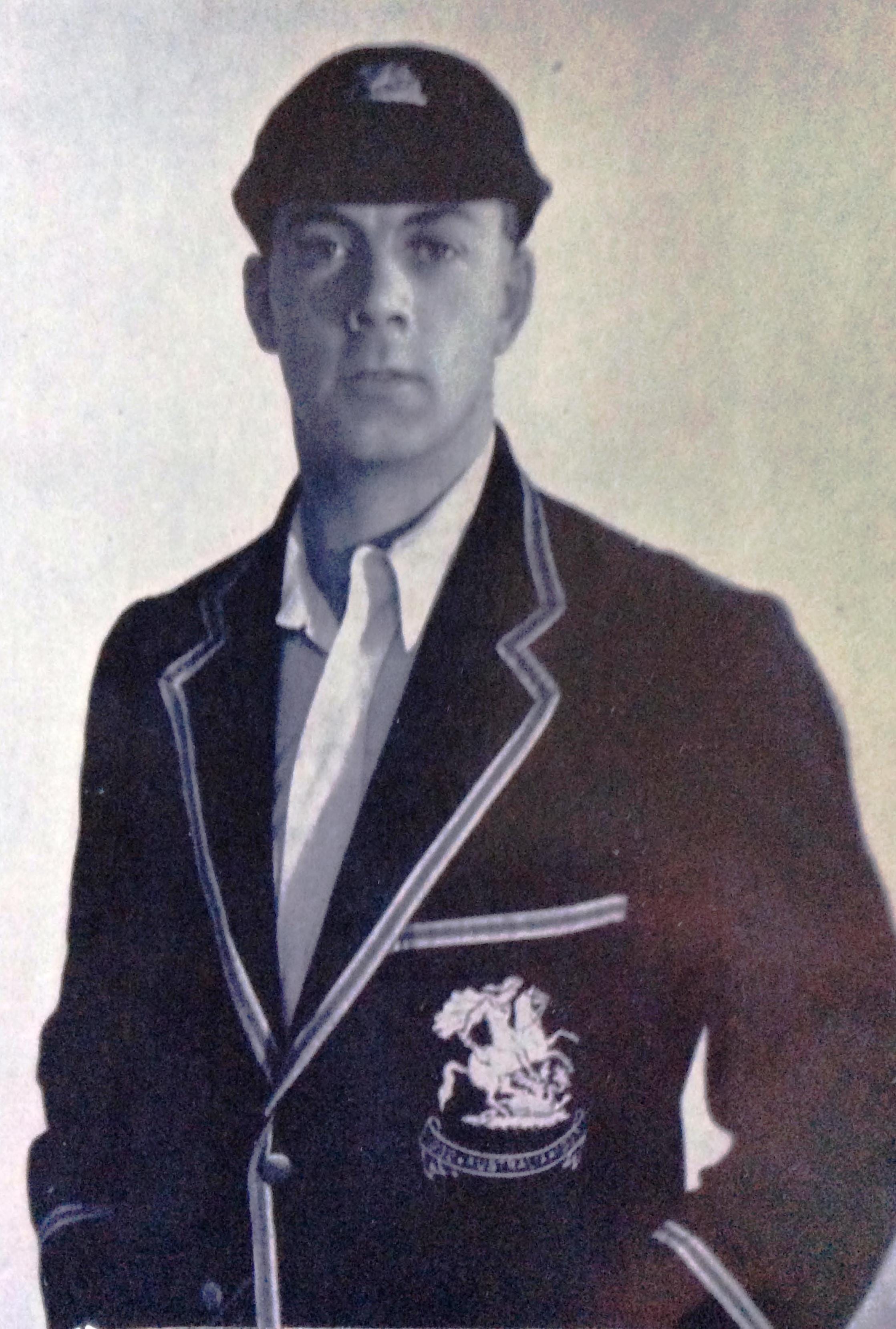
MCC declared at 149 for nine. The school’s reply was a study in collapse. Perhaps overawed by the pedigree of their opponents, the boys succumbed to the wiles of Wyatt and Jim Smith. The latter, after a first-over maiden, followed with a hat-trick in the next. His final figures were six for eight. Wyatt, ever the craftsman, managed four for fourteen, as the School was dismissed for a paltry 31.
The boys rallied faintly at the second attempt, reaching 34 for four, and the MCC won on the first innings. But the match was about more than the result. It was about remembrance and continuity, the quiet assertion that cricket, like England herself, would endure. As I tuck the signed menu into my archive, I feel the poignancy of the day settle upon me. Here was a match, contested in the middle of a global conflict, which echoed a century-old chapter of youthful idealism. The boys of Rugby, like Tom Brown, faced their trial not in the furnace of battle, but on the green sward of their school. And though they were vanquished, they had played their part in a pageant that defied the times.
 | A guest post by
|